Researching the history of a Berlin street name
To understand a Berlin street name, record more than the wording on the sign. Note the locality and the street's course, then investigate three separate questions: what the name means, when it was adopted and whether earlier names existed. These questions are connected, but they may require different sources.
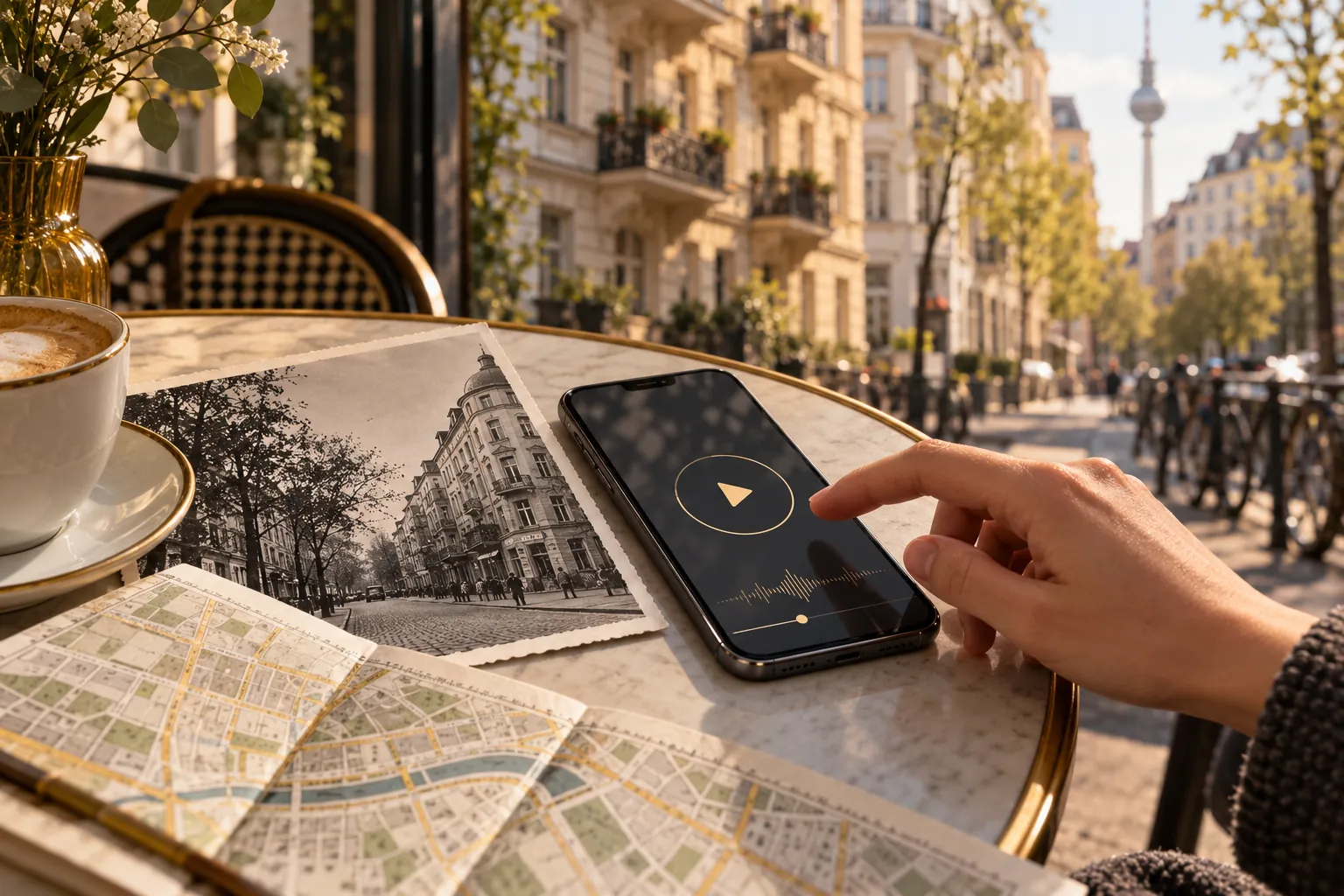
Identify the street precisely
Keep a junction or house number as a reference. Historical records may describe a different course or numbering system, so a similar name is not enough to establish that you have found the correct place.
Photograph the sign and any explanatory plaque. A plaque might identify a person without explaining when or why the street received their name. Write those questions down separately instead of assuming one short explanation answers all of them.
Use records close to the relevant period
The Landesarchiv Berlin provides an overview of historical street directories covering different periods. Look for material near the date you are investigating rather than opening the oldest document available without a clear purpose.
For more recent naming decisions, district publications can help. The Mitte district overview of new and changed names is one example. Check a source's geographic scope and date before applying its statements to the whole city.
Separate a person's life from the naming decision
A biography explains who someone was. It does not automatically explain why a street was named after them at a particular moment. That connection may need a decision record, a published justification or another contemporary document.
If several explanations appear, keep the uncertainty visible. A name might also refer to a landscape, a trade or a destination. Do not assign it to a person simply because you recognise a matching surname.
Turn two names into a small walk
Choose two streets in your area and compare what you can establish about each. One stop may be the name itself; another could be a building with a documented connection. The guide to getting to know a new Berlin neighbourhood helps keep the geographical plan manageable.
Use historical street photographs if a visual comparison would add something. Record references using the method in checking local history sources. You will then have more than an appealing interpretation of a name: you can explain what the evidence shows and where your next question begins.