 KiezWalk
A Neukölln walk around Rixdorf and Richardplatz
For a compact Neukölln walking tour, begin at Richardplatz and explore the surrounding streets of Rixdorf. The old settlement and the modern city sit close together here. An optional extension to Karl-Marx-Platz adds another kind of urban space.
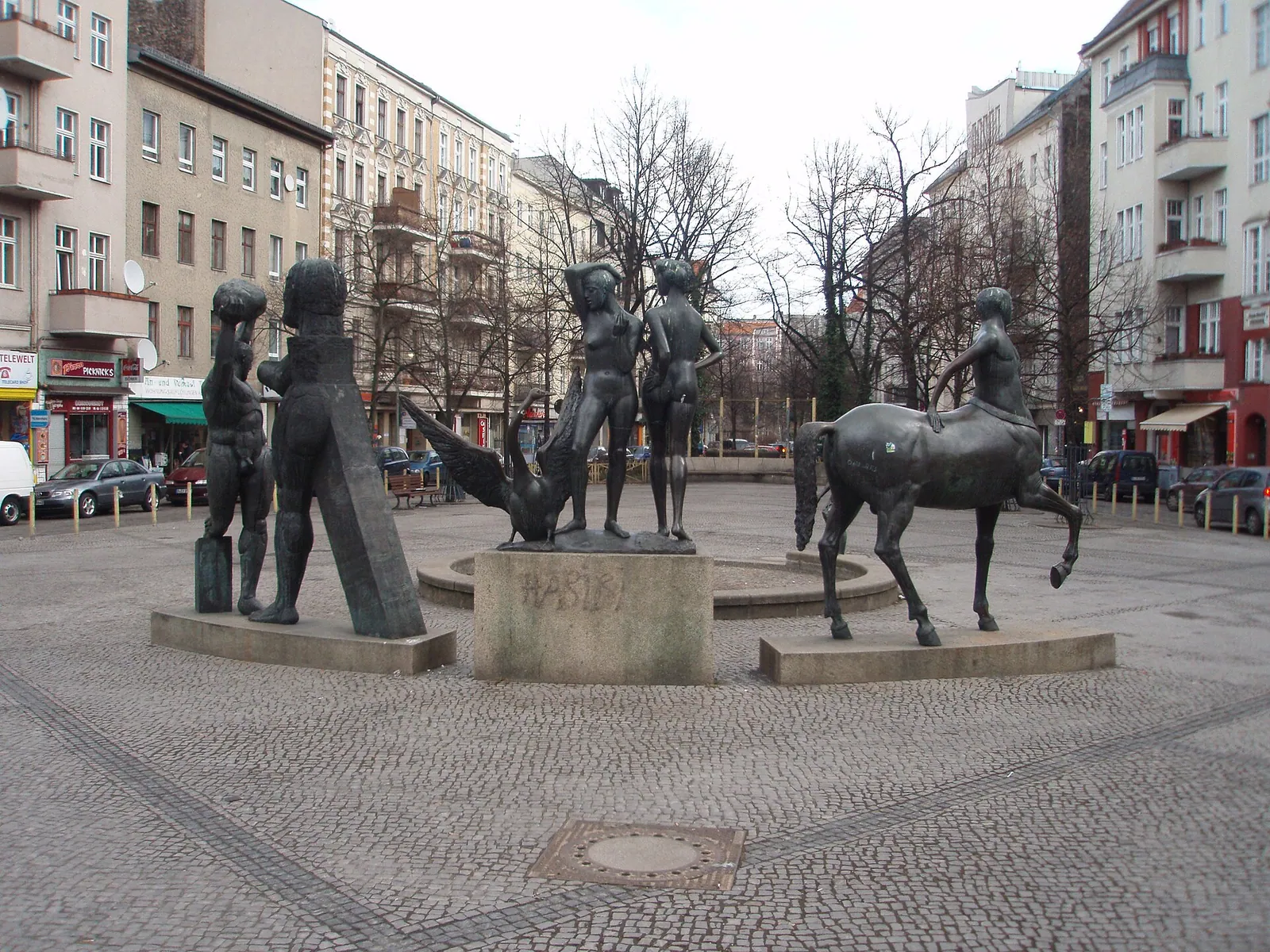

Why start in Rixdorf?
Neukölln was called Rixdorf before 1912. The district authority’s historical chronology also records the settlement of Bohemian religious refugees in 1737. On a walk, the useful question is how different layers of settlement remain visible in today’s streets.
You do not need a long hidden-gems checklist. A small area gives you time to compare a square, a narrow street and the buildings alongside them.
A simple sequence
- Richardplatz: Begin by looking at the whole square. Read the public information about the earlier settlement before concentrating on individual buildings.
- The smithy and Bethlehemskirche surroundings: View the buildings from public paths. Treat entry to a workshop or church as a separate possibility, dependent on what is actually offered when you visit.
- Richardstraße and Kirchgasse: Continue through the nearby streets. Notice the change of scale between smaller houses and the denser city around them. Gardens and courtyards are not automatically public.
- Karl-Marx-Platz: Add the square if you want a longer outing. Compare its open space with the tighter streets of Rixdorf and use the stop to plan your return journey.
Keep the historical scale clear
Open a KiezWalk story in the area and listen for what it is actually about: the historical village, one building or the wider district. Those are different geographical scales. A present-day building view also cannot, by itself, confirm what stood there in an earlier period.
If a description and a modern facade seem inconsistent, consider rebuilding, altered use and changed addresses before drawing a conclusion. The source checklist gives you a way to investigate.
Time and neighbourhood etiquette
For Richardplatz and the immediately surrounding streets, 60 to 90 minutes with unhurried stops is a useful personal planning allowance, not a surveyed tour duration. Add time for a longer break or the extra square.
Keep entrances clear and use headphones for recordings. With children, turn the change of scale into a simple observation task: which buildings suggest a village, and which suggest a large city? The family audio walk guide has more ideas.