 KiezWalk
How can I check whether a local history story is true?
Identify the exact claim, then check its place, date and source. The source must support that particular statement. Several websites repeating the same unsupported sentence do not provide independent confirmation.
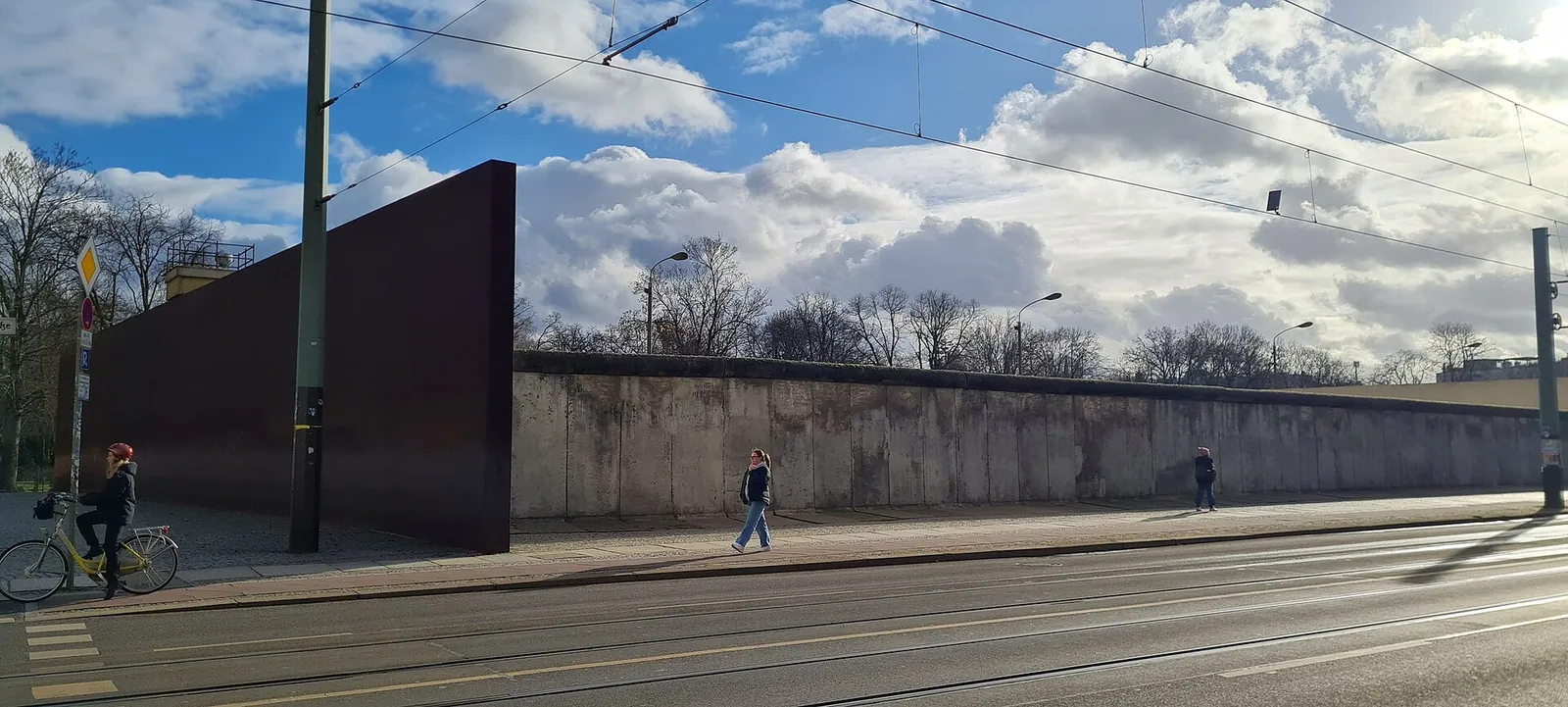

Turn the account into a checkable statement
“This building has a fascinating past” is difficult to investigate. “A factory occupied this building in year X” gives you something specific to check. Break an account into claims like that, especially when it includes precise addresses, dates or names.
Use four checks
- Place: Is the claim about this building, its plot, the street or the whole neighbourhood? A listening point may provide context rather than mark an event’s exact location.
- Date: Does the year refer to a plan, construction, opening or a later change of use? A short summary can accidentally collapse different events into one.
- Source: Who provides the information, and what do they rely on? Depending on the question, an archive record, museum account or heritage listing may be closer to the evidence than a travel recommendation.
- Scope: Does the passage support the whole statement or only part of it? Keep the remaining part open rather than filling it with a guess.
A hypothetical example
Suppose a story says that a building “dates from 1900”. One source describes a planning application in 1900; another records its opening in 1902. Those facts are not automatically contradictory. An application and an opening are different events. A clearer account identifies both separately. The dates here are illustrative, not a claim about a real building.
Do not make a photograph prove too much
An image can show a place before or after an event. It does not establish who took part or exactly what happened. Read the capture date, caption and provenance. The historical street-photo guide explains how to check a viewpoint and address.
What to inspect in KiezWalk
Open a story’s available references and compare the source passage with the claim you care about. Collections such as the Stadtmuseum Berlin and Landesarchiv Berlin can provide further research starting points; their existence does not verify every story.
If a central claim remains untraceable, treat it as unresolved. You do not have to reject the whole account or accept the unsupported part as fact.