 KiezWalk
A Berlin Wall walk: Choose Bernauer Straße or the East Side Gallery
Choose your Berlin Wall walking tour by subject. Bernauer Straße helps you understand the border system and its effects on people; the East Side Gallery focuses attention on the painted Wall and its transformation. Treat them as separate destinations.
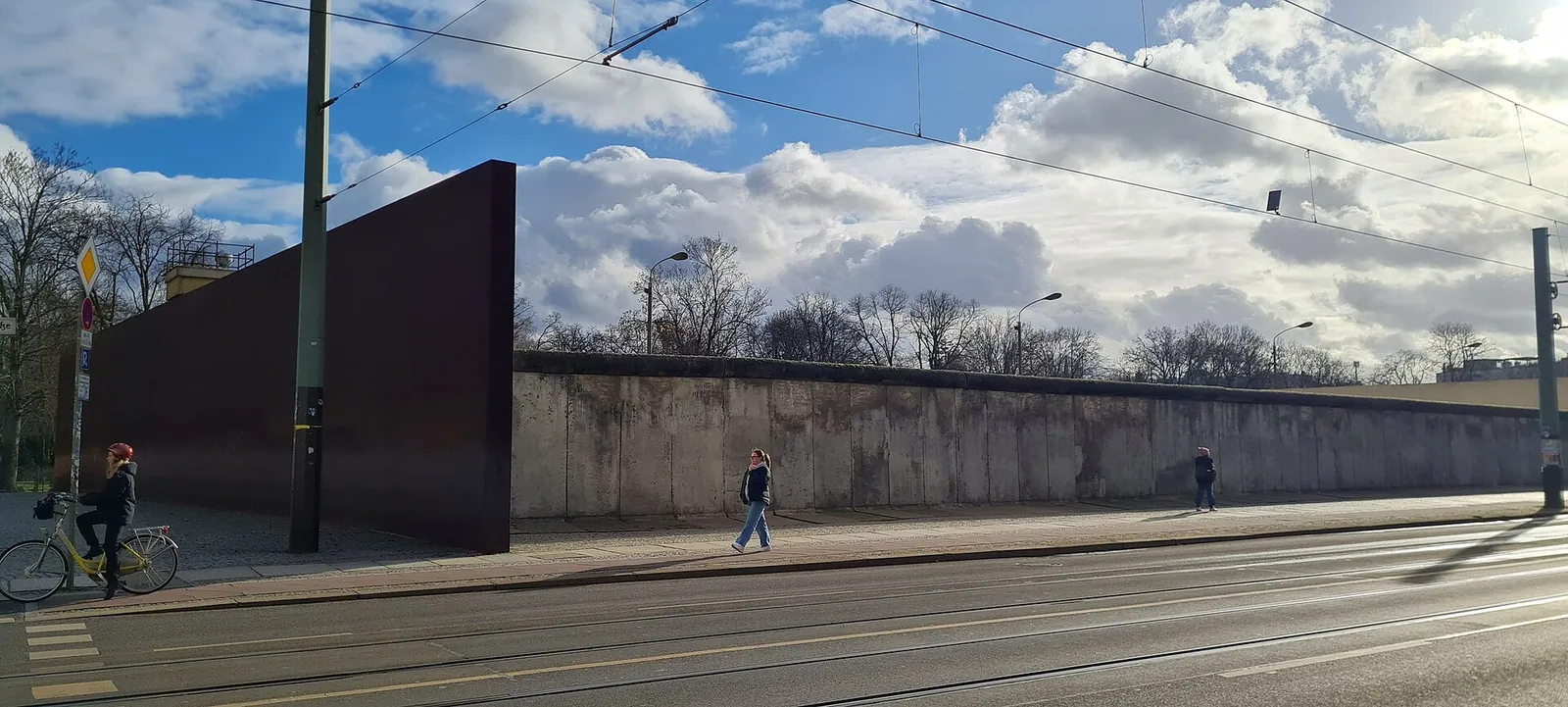

Bernauer Straße: Understand what the border did
Start around Nordbahnhof and use the memorial’s visitor information to orient yourself. Select a few outdoor interpretation points and spend time with them. This is a place where stopping to understand the space matters more than covering distance.
The Berlin Wall Foundation’s visitor information distinguishes the outdoor exhibition, visitor centre and documentation centre. Their opening arrangements differ. Check the part you want to visit rather than assuming that an accessible outdoor site means every building is open.
East Side Gallery: Look closely at the painted Wall
For the murals, choose Mühlenstraße between Ostbahnhof and Oberbaumbrücke. The Foundation describes the East Side Gallery as a surviving Wall section stretching 1.3 kilometres. The outdoor gallery is open around the clock with free admission; guided activities have separate terms.
Choose a small number of paintings and look at them properly. Read the interpretation about how the site was made and how it has changed. The surrounding public paths are enough for the visit; respect the monument and keep clear of other people’s views.
Which one should you choose?
- Border history and everyday consequences: Start at Bernauer Straße.
- Murals, the surviving structure and the Spree: Choose the East Side Gallery.
- Both: Plan two sections with a separate journey between them. Include that journey in your time budget.
For a first visit, one thoughtful stop can be more rewarding than rushing through two sites. Map walking times do not include reading, listening and looking at the exhibitions.
Keep each story attached to its place
Open a KiezWalk story near your chosen stop and compare its location with the event being described. An account about the Berlin Wall is not automatically an account about the precise section in front of you. The local history source checklist explains how to separate an event location, a contextual location and a photograph’s viewpoint.
Leave room for the personal histories. Pause your recording when you need to read a memorial or listen to someone with you, and keep the audio from disturbing other visitors.